Top Indicators Every Forex Trader Should Know
Forex trading can feel confusing at the start. Prices move fast, and charts look busy....


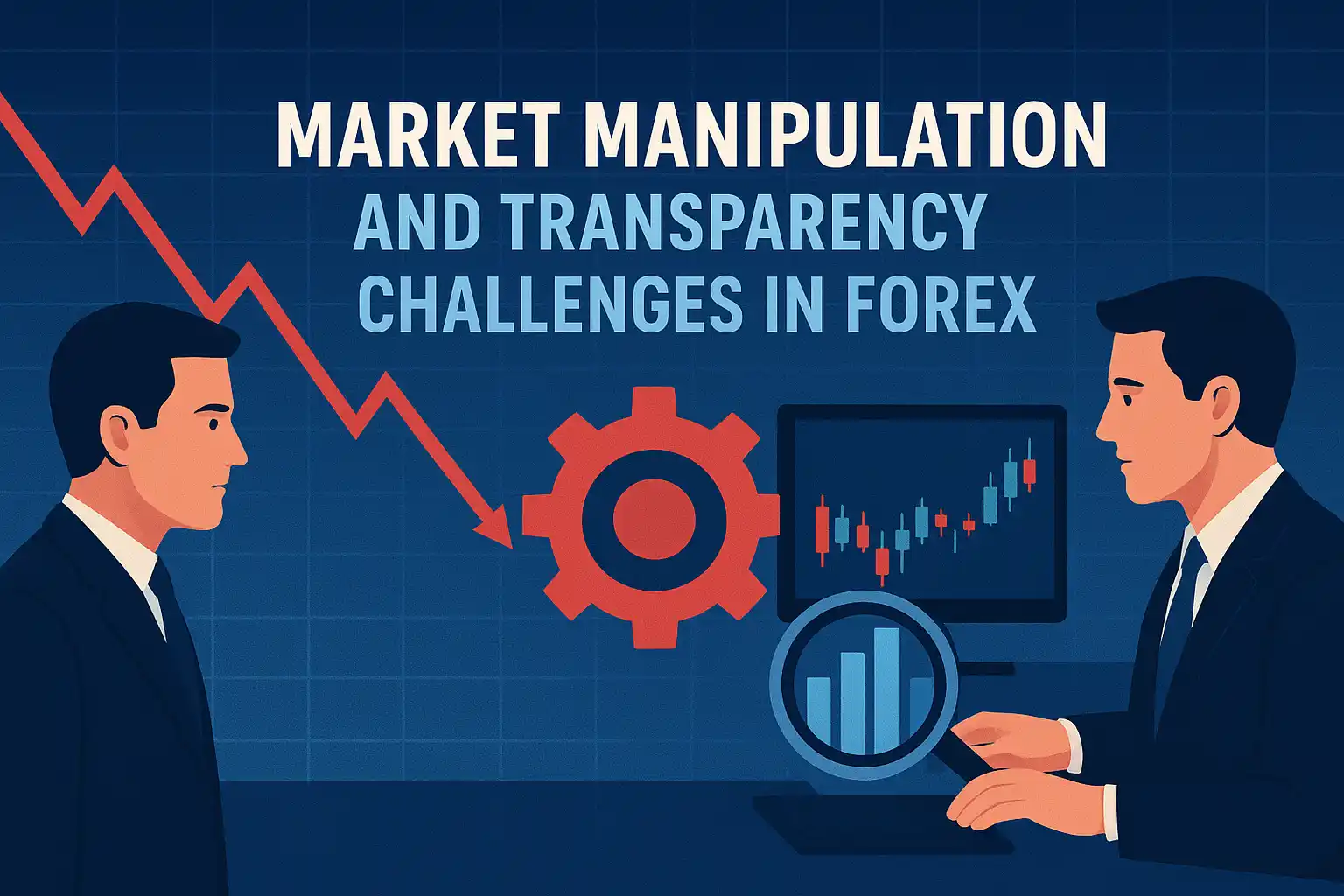
The forex market is the largest financial marketplace in the world, with more than $7.5 trillion traded daily according to the Bank for International Settlements. Its size and liquidity make it highly attractive for traders, but they also create space for manipulation, unfair practices, and transparency challenges. While technology and regulations have evolved, manipulation cases still raise concerns among retail traders and institutions. Understanding how manipulation happens, its impact, and the push for transparency is key for any forex participant.
Market manipulation refers to unfair or deceptive practices that artificially influence currency prices for the benefit of specific participants. Because the forex market is decentralized and largely unregulated compared to equities, opportunities for manipulation remain present. Common forms include price rigging, stop hunting, quote stuffing, and spreading misleading information.
For example, in 2013 and 2014, global banks including JPMorgan, Citigroup, and Barclays faced billions in fines for manipulating benchmark exchange rates. These cases highlighted how even major institutions could exploit gaps in regulation and oversight.
The ongoing decline in the crypto market has once again drawn attention to the importance of transparency and fair trading practices across all financial sectors. The recent wave of sell-offs, exchange liquidity shortages, and sharp price swings has revealed how quickly markets can turn unstable when transparency weakens. Similar to the forex market, where large players and algorithmic systems can influence price movement, the crypto crash shows how manipulation, fake volume reports, and poor regulatory oversight can magnify volatility. These events highlight the growing connection between forex and crypto markets — both influenced by global liquidity flows and institutional behavior. As a result, traders are becoming more aware of the need for transparent data sources, regulated brokers, and smart trading systems that can detect irregular market activity in real time.
Transparency ensures all market participants, from retail traders to central banks, operate under fair and clear conditions. Without transparency, price discovery becomes unreliable, leading to unfair losses for small traders. Transparent systems reduce risks of fraud, allow traders to make informed decisions, and help brokers build trust.
Organizations such as ESMA and the CFTC have increasingly emphasized transparency through tighter reporting requirements, transaction audits, and stricter rules for brokers.
Stop hunting happens when large institutions push prices toward levels where many retail traders place stop-loss orders. Once triggered, the institutions profit from sharp price reversals. While it often looks like natural market movement, coordinated stop hunting undermines fairness.
Some manipulators spread false information or exaggerated forecasts to boost a currency pair or crypto-fiat pair artificially. Once prices rise, they sell positions quickly, leaving retail traders with heavy losses. While this is more common in smaller, less liquid markets, it still poses risks in forex.
High-frequency trading systems can flood the market with fake quotes to slow down competitors’ systems. This creates short-lived distortions in liquidity and prices, which institutions can exploit for profit.
The London FX fix scandal is a famous example where major banks colluded to manipulate the WM/Reuters benchmark rates used globally in contracts and financial reporting. These practices led to billions in fines but also exposed flaws in the decentralized system.
While technology enables manipulation through high-frequency trading and algorithms, it also provides powerful transparency tools. Blockchain-based settlement systems, AI-driven trade monitoring, and advanced compliance software are making it harder for manipulative practices to go undetected.
External Source: Reuters frequently reports on how technology is reshaping financial compliance and oversight, especially in forex.
To protect against manipulation and improve trading results, traders increasingly rely on expert advisors (EAs), algorithmic systems, and educational resources. Here are some related products on GregForex.com that can help:
These tools offer traders added protection and strategies to handle an often-unfair market environment.
Global regulators are becoming stricter to combat manipulation and enforce transparency. Agencies such as the U.S. Commodity Futures Trading Commission (CFTC), the European Securities and Markets Authority (ESMA), and the Financial Conduct Authority (FCA) have introduced new compliance rules requiring better reporting, monitoring of suspicious trades, and punishment of manipulative practices.
External Source: CFTC Market Oversight provides detailed updates on new forex regulations.
Retail traders often lack access to the same tools, data, and liquidity as institutional players. This makes them more vulnerable to manipulation. Delayed data feeds, lack of Level 2 order book information, and dependence on broker platforms can limit transparency.
To overcome this, traders can use advanced EAs, join educational programs, and follow blogs like:
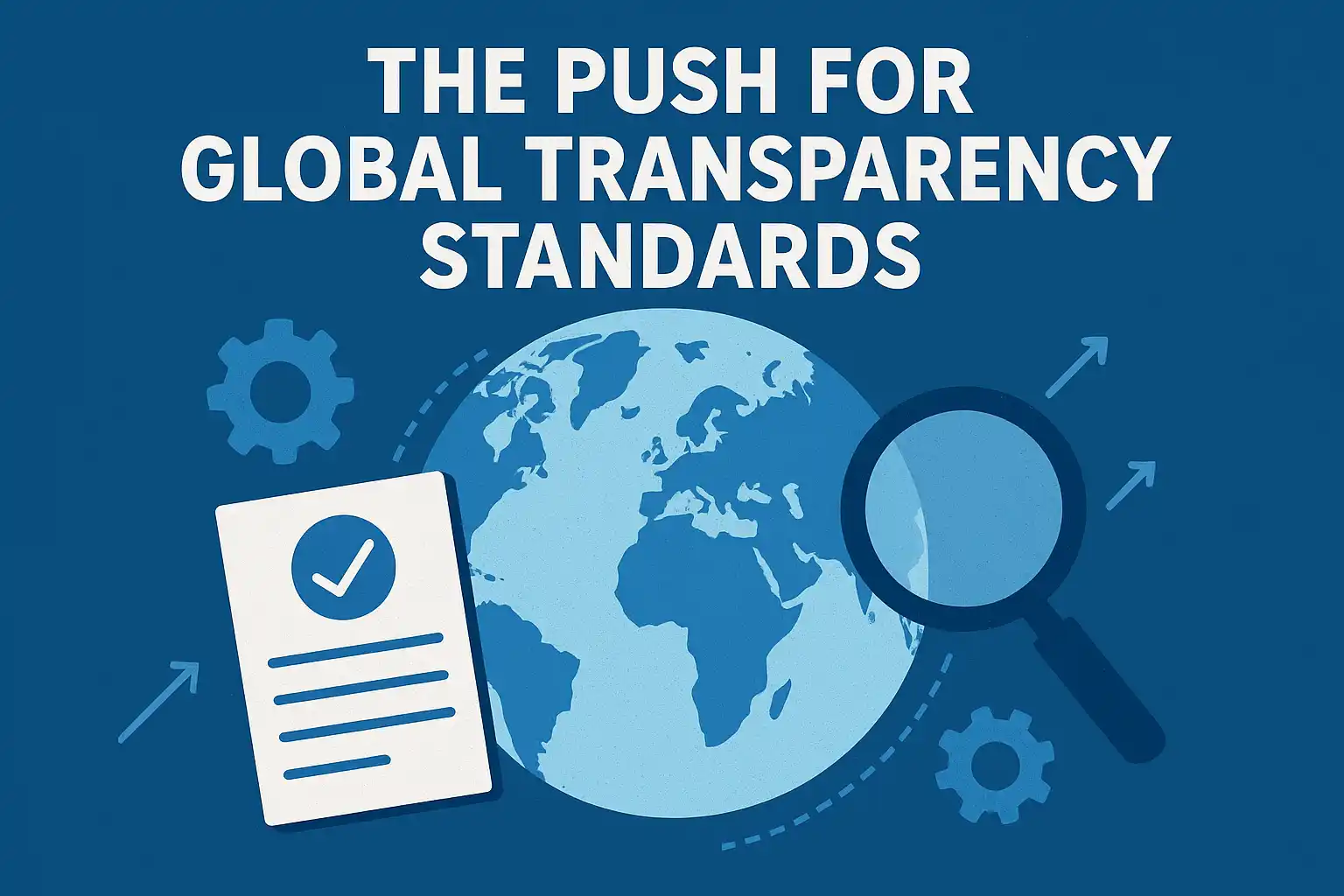
One challenge regulators face is that forex is a global market. While the U.S. and EU have strong rules, other regions may lack oversight. This creates loopholes where manipulation can occur offshore. Organizations like the Financial Stability Board (FSB) and Basel Committee are pushing for unified standards to reduce such risks.
Q1: Can retail traders detect market manipulation?
Yes, although it’s difficult. Common warning signs include sudden price spikes, repeated stop-loss triggers, flash crashes, or unusual spreads that don’t match market sentiment. Using advanced analytics tools and EAs can help identify irregular patterns faster.
Q2: How do regulators punish manipulators?
Regulators impose heavy fines, revoke licenses, or launch criminal investigations against offenders. For instance, several major banks were fined billions for benchmark rate manipulation. In crypto, regulators are now extending similar oversight to prevent coordinated sell-offs and exchange manipulation.
Q3: Is forex or crypto manipulation illegal everywhere?
Not universally. While the U.S., EU, and UK have strict rules under agencies like the CFTC, ESMA, and FCA, many offshore jurisdictions lack enforcement. This makes cross-border manipulation harder to control, especially during volatile market phases.
Q4: How can EAs protect traders from manipulation?
Expert Advisors (EAs) use smart algorithms to filter out false breakouts, detect unusual volume activity, and manage trades automatically. Some, like AI-powered systems, can analyze fragmented data from multiple liquidity sources to reduce exposure to manipulative price moves. You can buy EAs here in best prices Greg Forex Expert Advisor.
Q5: Will transparency improve in global markets?
Yes. With blockchain verification, AI-driven trade monitoring, and international cooperation between regulators, transparency is expected to keep improving across forex and crypto markets. As technology evolves, traders will gain better access to real-time data and fairer execution environments.
Market manipulation remains one of the biggest risks in the forex industry. While regulators are cracking down and technology is enhancing transparency, traders must stay informed and use reliable tools to protect themselves. By combining education, advanced trading systems, and awareness of market behavior, forex participants can reduce their vulnerability and trade more confidently.
For those looking to strengthen their strategies, resources like EAs, trading courses, and transparent brokers available on GregForex.com can make a significant difference in navigating a complex and sometimes unfair market.
Forex trading can feel confusing at the start. Prices move fast, and charts look busy....
Forex trading can look hard, but analysis makes it simple. When traders analyze the forex...