
Crash-Proof EA Templates You Can Use in 2026
Automated trading carries risks, but crash-proof EA templates protect capital and limit losses. These templates...


2025 witnessed unprecedented volatility that exposed weaknesses in most retail trading algorithms. Few EAs were built to cope with rapid market regime changes. Those that stood out did so not by predicting the future, but by rapidly adapting to market shifts through volatility detection, dynamic risk control, and scenario analysis. Their ability to react set new standards for crash-resilient automation.
Bots like OXY AI EA MT4 relied on indicators such as ATR to measure market turbulence in real time. By scaling down open trades or pausing when volatility breached defined thresholds, these EAs sidestepped the worst losses. This reflects lessons from Investopedia’s volatility management guides.
Many failures in 2025 came after unpredictable news shocks. EAs such as Arin2 EA MT4 were designed to tighten exposure before scheduled risk, referencing news calendars like Forex Factory to avoid high-impact times, which proved critical for capital preservation.
To withstand turmoil, EAs had to dynamically adjust their risk profile based on changing volatility and liquidity.
Capital protection was key. Bank Trader VIP MT5 included strict equity stops and would stop all trading activities when a preset drawdown limit was reached—saving accounts during the steepest plunges.
Dynamic Pips MT4 adjusted its trade sizes in real time. During heightened volatility, smaller positions were deployed, which made the difference between surviving the crash and losing everything.
Pattern-based risk management, referencing historical market behavior, provided several EAs with an early warning.
In thin conditions, order flow dries up. Bots trained to watch for these signals traded less or not at all. This approach, derived from historic crash logs, prevented disastrous slippage in 2025.
How to Backtest Your EA for Real Market Crashes became required reading: only bots stress-tested on old crisis data were able to sustain usability through the real event.
Markets such as gold featured unique volatility patterns and required specialized EA tactics.
Gold Killer EA v15 MT5 integrated gold-specific volatility monitoring. The moment price swings exceeded tolerance, the bot stopped trading—an essential feature for metals in 2025.
DS Gold Robot v4.0 MT4 benefited from trading only in the most liquid hours, reducing risk of flash crashes in illiquid sessions.
Adaptive controls helped some grid and martingale bots avoid the worst-case scenario even when conditions became extreme.
WyFX Martingale Pro EA enforced limits on the number of active trades, dramatically mitigating overexposure when markets turned chaotic.
Sniper Auto Trader v19 for NT8 would only take positions when risk signals aligned across various timeframes—offering a further filter in turbulent periods.
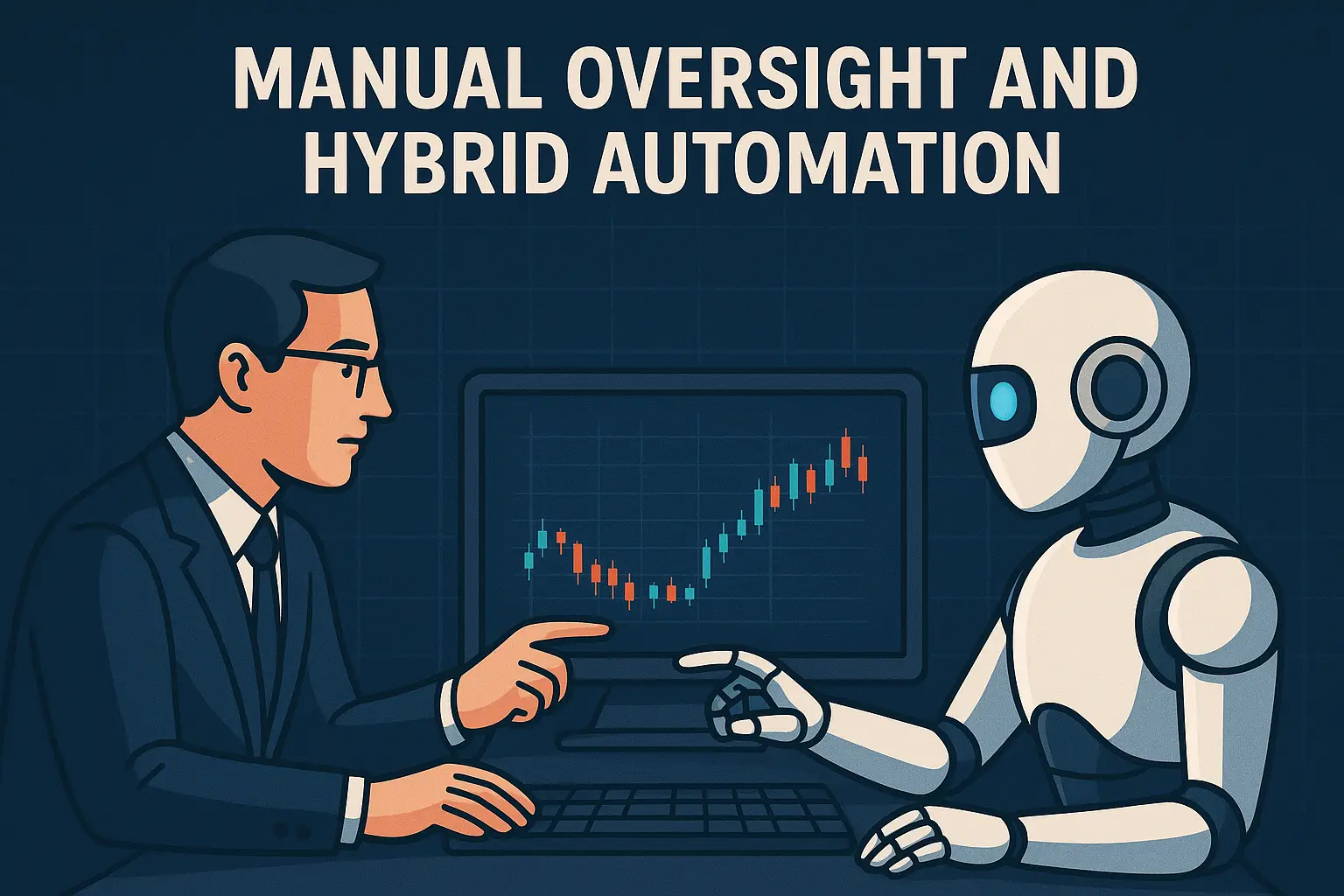
Human judgment combined with automation set apart the best crash survivors.
Following principles from Ruth the Forex Lady BTMM, traders who reviewed dashboard alerts and trading logs were able to intervene before losses accelerated.
Automated alerts warned of changing risk, and many traders wisely paused EAs or changed settings as soon as conditions deteriorated beyond normal.
Learning from the wider community and institutional best practices greatly improved crash resistance.
Resources on Investopedia and FXStreet emphasized volatility measurement and news avoidance as pillars of robust algorithm design.
Peer traders shared detailed logs and journal entries, providing valuable case studies on what went wrong—and what worked—during the crisis.
The 2025 crash taught that EAs need flexibility, not fortune-telling. Tools that responded to volatility and news, limited risk, and allowed human intervention consistently did best. For future crises, traders should blend rigorous backtesting, built-in defenses, and ongoing education—transforming EAs from static scripts into adaptive trading partners.
Automated trading carries risks, but crash-proof EA templates protect capital and limit losses. These templates...
Understanding major and minor currency pairs is the first step in forex trading. Understanding major...