
Crash-Proof EA Templates You Can Use in 2026
Automated trading carries risks, but crash-proof EA templates protect capital and limit losses. These templates...


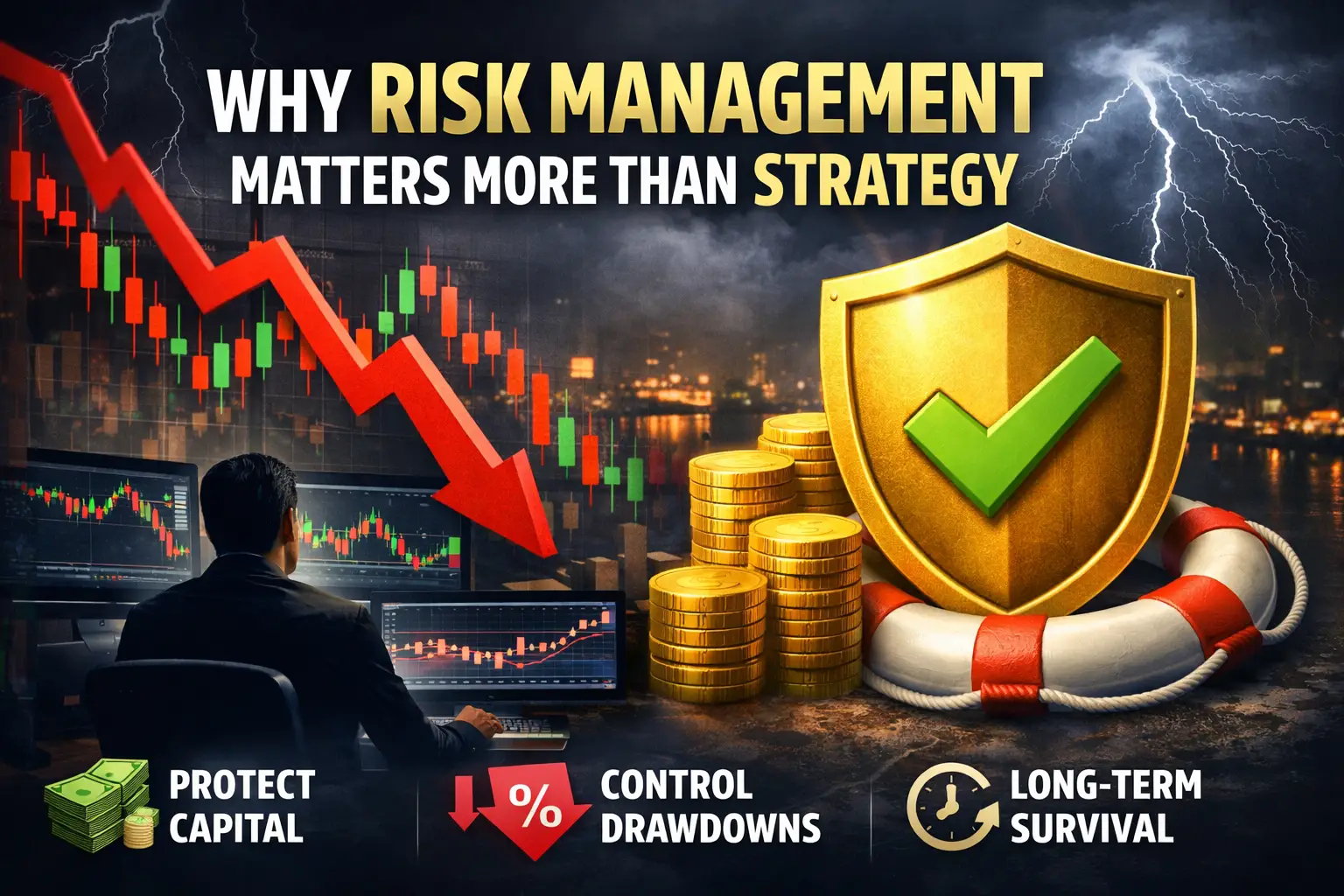
Even the most profitable trading strategies can fail without proper risk control. Markets are constantly changing, volatility can spike, and every system—even the best—will go through losing periods. Risk management exists to make sure these losing phases don’t destroy a trading career.
Many traders only realize this after experiencing a major drawdown. The issue isn’t that losses occur—it’s when losses are allowed to grow too large. Proper risk management limits the damage and keeps the account alive long enough to recover.
This is particularly critical for traders using automation, as multiple trades can open quickly if limits aren’t enforced. Understanding how automated systems behave under pressure can prevent catastrophic losses.
Key takeaways from professional trading standards include:
Protect your account: For actionable strategies on keeping your account safe during volatile markets, check out our guide on how to protect a forex account during a market crash.
Loss limits matter: Never let a losing streak exceed what your account can handle.
Automation needs supervision: Even EA or robot trades require clear risk rules.
Foundation of professionalism: As noted by Investopedia, risk management is the core of every professional trading system, regardless of the asset class.
Many new traders focus on growing their accounts quickly, but professional traders know that protecting capital comes first. The reasoning is simple: once capital is lost, opportunities disappear. Risk management ensures that no single trade, day, or week can wipe out an account. This shift in mindset separates long-term traders from short-term gamblers.
Even during periods of high market volatility, accounts with strict risk rules tend to survive better than aggressive ones. Poorly managed systems often fail when markets turn unstable.
To implement capital preservation effectively, consider these key steps:
Learn from experts: For detailed strategies to safeguard your funds during turbulent times, see our guide on how to protect a forex account during a market crash.
Limit risk per trade: Keep each trade within a small, manageable percentage of your account.
Set daily and weekly loss limits: Prevent a string of losses from becoming catastrophic.
Follow disciplined rules: Avoid impulsive decisions during market swings.
Position sizing is one of the most important aspects of risk management because it determines how much of your account is at risk on each trade. While many traders focus heavily on stop-loss placement, they often overlook the importance of lot size. Both elements must work together to protect your account.
By risking a fixed percentage per trade—commonly 0.5% or 1%—traders can survive losing streaks without devastating their account. Attempting to increase lot size in an effort to “make money faster” usually backfires, leading to quicker and larger losses. For a clear and simple explanation of position sizing, every trader should read this guide from BabyPips before risking real money.
Drawdown is more than just a number on a trading statement; it represents both a psychological and financial challenge for traders. The deeper the drawdown, the harder it becomes to recover, because losses grow faster than gains. For instance, a 10% loss requires an 11% gain to break even, while a 50% loss demands a 100% gain. This highlights why effective risk management focuses on controlling drawdowns rather than chasing aggressive growth.
Excessive drawdowns can destroy confidence and capital. Many traders make the mistake of taking large risks after losses, hoping to recover quickly, which often worsens the situation. Controlling drawdowns ensures that accounts remain viable during tough market conditions, allowing traders to stay in the game long enough to recover and profit.
Professional trading systems prioritize loss control over rapid growth. They are designed to survive high volatility periods and avoid catastrophic losses. Automated trading systems, like Forex EAs, are programmed with rules to manage drawdowns effectively. For insights into how these systems perform under sudden market stress, see our guide on real backtests and how Forex EAs handle market volatility.
When using Expert Advisors (EAs), risk management becomes even more crucial because these systems execute trades exactly as programmed. They do not stop themselves due to fear or uncertainty, which means uncontrolled automation can quickly amplify losses.
Key principles for managing risk with automated trading:
Follow platform-level risk controls: MetaTrader documentation emphasizes the importance of account-level risk settings and trade management when using automation. Learn more from MetaTrader 5 official help.
Set maximum daily loss limits: Prevent an EA from continuing to trade when the account suffers consecutive losses.
Use trade caps and equity protection: Limit the number of simultaneous trades or the total exposure to safeguard your account.
Incorporate risk logic, not just entry logic: A proper EA should manage risk automatically, not only follow entry signals.
Adjust strategies underperformance: Learning to tweak or pause automated strategies helps traders protect accounts rather than abandoning them after losses. For practical guidance, see our article on how to adjust your strategy when an EA fails.
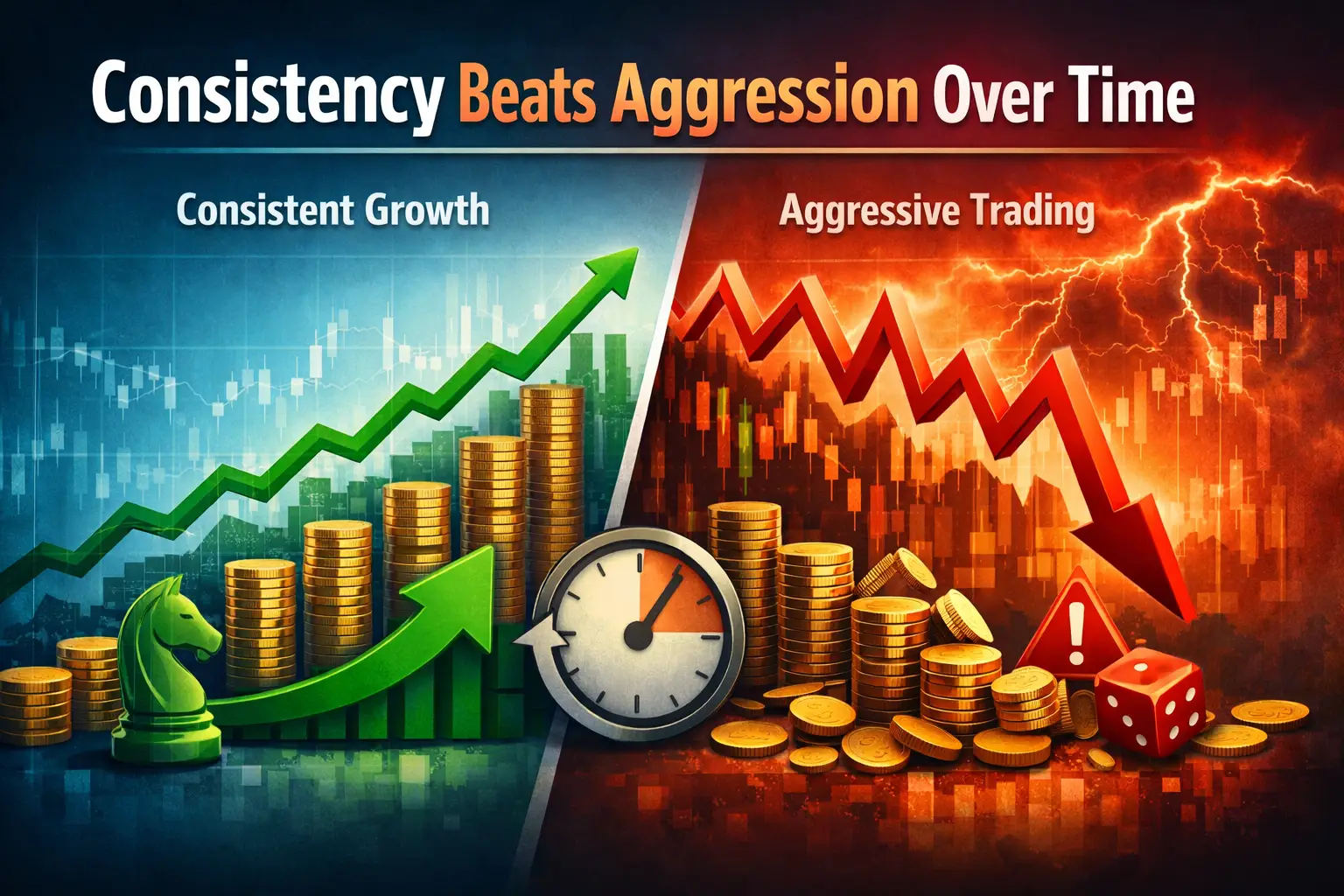
Risk management does more than protect your capital—it safeguards your decision-making process. Traders who know their losses are limited are less likely to panic, overtrade, or interfere emotionally with their strategies. This sense of control reduces stress and helps maintain a calm, disciplined approach to trading, even during volatile market periods.
By limiting the potential downside, traders experience lower stress levels, which directly contributes to better discipline, consistent execution, and patience. These traits are far more valuable over the long term than any single profitable trade, as consistent, disciplined trading leads to sustained success.
Many successful traders adopt structured trading plans to guide their actions rather than relying on emotion. Following a plan ensures decisions are based on logic, risk control, and strategy, rather than fear or greed. For guidance on creating a structured approach to trading, see our comprehensive guide on forex trading plans.
Many traders understand the concept of risk management but often fail to apply it consistently. Common mistakes include increasing risk after losses, removing stop-losses, or trusting trading systems without proper limits. These behaviors are usually driven by emotional pressure rather than logical decision-making.
Education and structured trading rules are essential to reduce these errors over time. By recognizing harmful patterns early, traders can prevent repeating the same mistakes, protecting both their capital and confidence. For insights into the most frequent errors and how to avoid them, see our guide on common EA mistakes new traders still make.
Risk management is not optional. It is the difference between temporary participation and long-term survival in forex trading. Strategies change, markets evolve, and tools improve, but risk control remains constant.
Accounts that survive long-term are not built on perfect entries or high win rates. They are built on disciplined position sizing, controlled drawdowns, and realistic expectations.
Traders who respect risk stay in the game long enough to benefit from experience, compounding, and market opportunities. Those who ignore it rarely last long enough to learn.
Automated trading carries risks, but crash-proof EA templates protect capital and limit losses. These templates...
Understanding major and minor currency pairs is the first step in forex trading. Understanding major...